
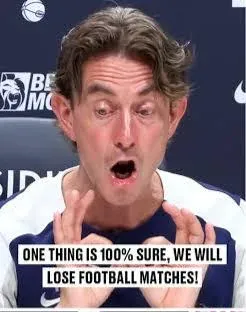
As the Thomas Frank era at N17 approaches an inevitable and somewhat early conclusion, the Tottenham Hotspur hierarchy faces a critical juncture. The experiment with mid-block pragmatism has alienated a fanbase raised on the "Spurs Way." To restore the club’s identity, the next appointment must prioritize high-octane offensive output, positional fluidity, and a ruthless commitment to blooding academy talent.
Here is our data-backed countdown of the three most attainable (so sorry, no Xabi Alonso) managers to lead the Spurs revolution.
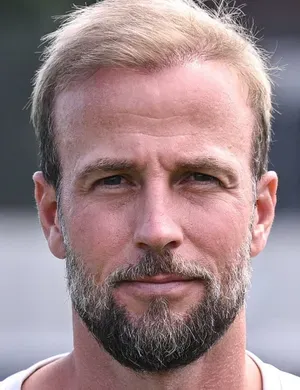
3. The Bundesliga Innovator: Sebastian Hoeneß (VfB Stuttgart)
Style: Heavy Metal Possession
Hoeneß has become the breakout star of the Bundesliga, transforming Stuttgart into a top 4 force. His 4-2-2-2/4-2-3-1 hybrid system focuses on creating numerical superiorities in the half-spaces—a tactical setup that would perfectly unlock Spurs’ creative assets like Dejan Kulusevski and Xavi Simons
Pros:
- Tactical Fluidity: His teams are masters of the "inverted" role, a concept already familiar to the current Spurs squad.
- Youth Development: He has a proven track record of elevating young players (e.g., Angelo Stiller, Enzo Millot) into international stars.
- Modern Pressing: Boasts one of the highest PPDA (Passes Per Defensive Action) rates in Europe, ensuring a high-intensity watch.
Cons:
- League Adaptation: While successful in Germany, the "Premier League Tax" on managers transitioning from the Bundesliga remains a risk.However, German managers have a decent recent record in the English top flight.
- Defensive Fragility: His "all-out-attack" mindset can leave the backline exposed to high-turnover counter-attacks.
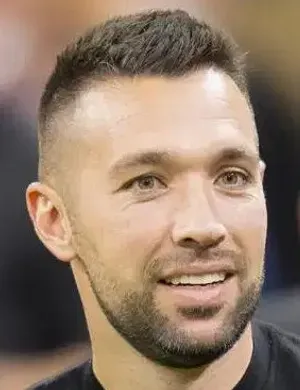
2. The Italian Architect: Francesco Farioli (FC Porto)
Style: De Zerbian Control
Farioli is a disciple of Roberto De Zerbi, but with a more disciplined defensive structure. Having revitalized Ajax with a young squad, he represents the "project manager" archetype that has historically been successful at Spurs. His football is built on "baiting the press," using the goalkeeper as an active playmaker to create 11v10 scenarios.
Pros:
- Academy Integration: Havimg experience managing at the world’s most famous academy club (Ajax); he understands the "Pathway to First Team" better than any candidate.
- Build-up Play: His teams are virtually "press-proof," utilizing short-link passing to move vertically through the thirds.
- Attainability: Despite his success at Porto (which currently sees them drop points just once for the season), the lure of the Premier League and Spurs’ world-class infrastructure remains a major draw.
Cons:
- System Rigidity: His style requires absolute buy-in; if players don't fit his specific technical profile, the system can stutter.
- Experience: Still relatively young and has yet to manage under the unique microscopic pressure of the London media circus.
- Ruben Amorim Scars: We have a recent example of a young manager from the Portugese League coming to the Premier League and stuttering.
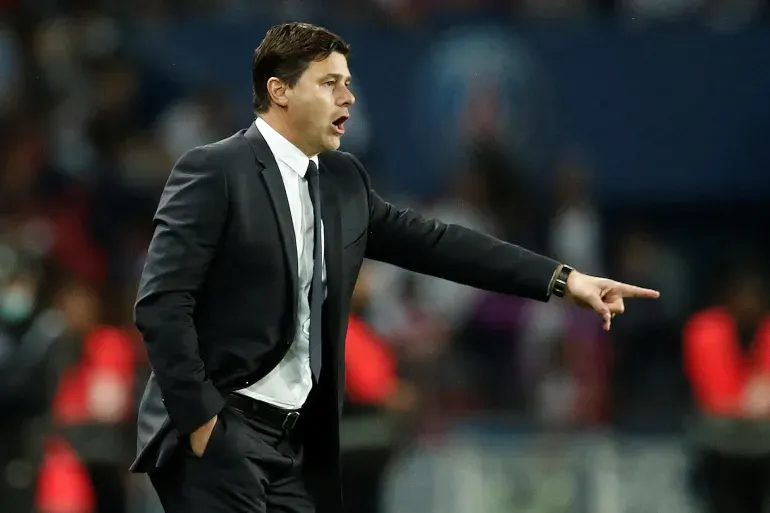
1. Return of the King: Mauricio Pochettino (USMNT)
Style: High-Pressing Romanticism
The data suggests that the most successful era in Tottenham’s modern history was built on the "Poch Way." With his stint at the USMNT reaching a natural inflection point and his desire to return to club football in London well-documented, a "The Last Dance" style return is the most logical move for the 2026 season.
Pros:
- Club DNA: He fundamentally understands the ethos of the club. No adaptation period is required.
- The Academy Specialist: Pochettino’s "bravery" in blooding youth (Kane, Alli, Winks) is exactly what the current crop of U21 stars needs to bridge the gap.
- Elite Pressing: His 4-2-3-1 high-press remains the most effective tactical blueprint for the current Spurs roster.
Cons:
- The "Never Go Back" Rule: There is always the risk that a second stint cannot live up to the nostalgia of the first.
- Authority: He would require significant control over recruitment, which has historically caused friction with the Spurs board.
Comparative Managerial Metrics (Current Season Estimates)
Metric | Sebastian Hoeneß | Francesco Farioli | Mauricio Pochettino |
|---|---|---|---|
Tactical Archetype | Vertical Possession | Positional Play | High-Press/Direct |
Youth Starts/Season | 14 | 22 | 18 |
Average xG/90 | 2.10 | 1.85 | 1.95 |
Pressing Intensity | High | Medium/High | Extreme |
Attainability | High | Moderate | High |
Final Recommendation
If Tottenham Hotspur seeks an immediate return to "Free Flowing Attacking Football" combined with an uncompromising youth pathway, Mauricio Pochettino remains the gold standard. However, for a fresh start with modern tactical innovations, Francesco Farioli is the calculated risk that could define the next decade at N17.