
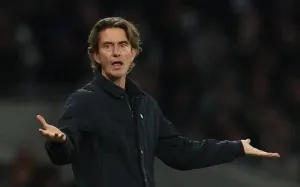
When Thomas Frank arrived in N17, the mandate was clear: inject steel, organization, and a clear tactical identity into a squad that had long been accused of structural fragility. The Danish manager came with a sterling reputation for maximizing resources and building robust units, but five months into his tenure, the atmosphere around the still unbranded Tottenham Hotspur Stadium is one of deepening anxiety.
The problem is not just that Spurs are losing (which is fairly often); it’s how they are losing. The promised pragmatism has yielded neither security nor success, and the club finds itself trapped in a vicious cycle of indecision, inconsistency, and utterly sterile football. The early promise has faded, replaced by a harsh reality where Frank’s system looks increasingly ill-suited to the demands of a club aspiring to the Champions League elite (HA!).
The Flawed Foundation of Conservative Football
The core complaint against Frank is the tactical paradox he has created: an excessively conservative approach that, bafflingly, still leaks goals.
Frank’s signature, often rigid, defensive structure was meant to make Spurs notoriously hard to break down. Instead, we have witnessed a team that sits deep, relinquishes possession, and yet remains vulnerable to the sharpest counter-attacks and simple numerical overloads. The data is damning: while the team’s overall shots conceded might have marginally dropped, the frequency of high-value scoring chances against them has barely budged. Moreso, his insistance on Tottenham players flooding the box both offensively and defensively led his team to concede a remarkable number of goals from outside the box.
This is the ultimate failure of pragmatism. If you sacrifice attacking freedom and flair to prioritize defensive stability, you must deliver on the latter. Frank has delivered neither. The sight of our central midfielders retreating into the defensive line, only for a simple diagonal pass to split the defense, suggests an organizational flaw that goes beyond just shape—it points to confusion in defensive communication and roles.
The Set-Piece Crutch: When Attackers Forget How to Attack
Perhaps the most startling indictment of Frank’s open-play coaching is the team’s overwhelming, and predictable, reliance on dead-ball situations. For a club with the attacking talent Spurs possess, the sight of them repeatedly defaulting to corners and free-kicks as their primary source of goals is profoundly concerning.
While set-piece proficiency is a commendable attribute, it cannot be the sole pillar of a top-six attack. In open play, creativity has been stifled, with players often looking for the safe, lateral pass rather than the incision required to break down a low block. The default attacking pattern has been to give the ball to either Mohammed Kudus or Pedro Porro and let them cross and hope for the best. Our expected goals (xG) from non-set-piece situations have plummeted since the turn of the year, suggesting a catastrophic failure to construct meaningful attacking moves through structured patterns or intelligent movement.
The attacking unit seems disjointed. Is the striker meant to drop deep? Are the wingers instructed to stay wide or cut in? The answers appear to shift weekly. This lack of a repeatable, coherent attacking blueprint means that when a corner isn't won, or a direct free-kick isn't scored, the team simply runs out of ideas, leading to aimless crossing or desperate, low-percentage shots from distance.
The Merry-Go-Round of Team Selection
Stability breeds consistency, yet Frank seems intent on denying his squad the chance to build rhythm. His constant chopping and changing of the starting XI has been a major point of contention within the fanbase.
One week, Pape Matar Sarr shows promise; the next, he player is benched, and the formation is tweaked from a 4-3-3 to a 3-4-3 hybrid. This rotational policy, often enacted even after decent performances, has prevented any consistent partnerships from forming—be it between the center-backs, the full-backs and wingers, or the midfield engine room.
The result is a team that always looks like they’ve just met in the tunnel. Players appear uncertain of their partners’ movements and prone to making elementary positional errors. This tactical instability is not the sign of a manager honing his best eleven; it is the sign of a manager searching for answers he hasn't yet found, burning through the confidence of his players in the process.
Application and Attitude: Where Does the Blame Lie?
While Frank must shoulder the tactical burden, the performances on the pitch necessitate a hard look at the squad itself. Too many established stars have shown a clear lack of application, particularly when the tactical plan is challenged by an opponent's intensity.
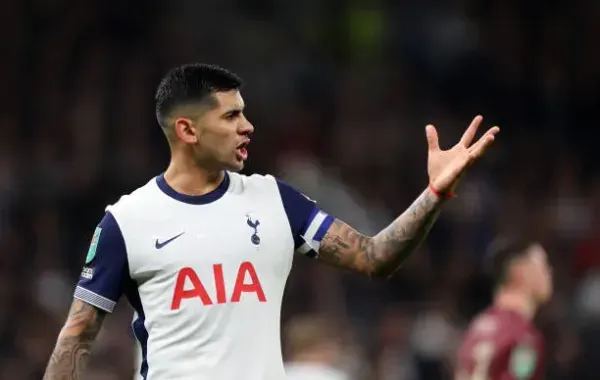
The sight of players jogging back, failing to track runners, or throwing their arms up in frustration after conceding suggests a serious issue with the dressing room attitude. Frank’s demanding nature relies on absolute buy-in from his squad. If the players are not willing to execute the demanding, disciplined movements his style requires, then the system will inevitably collapse. Are the players, many of whom have cycled through several managers, simply waiting for the next change?
The performance against Nottingham Forest was a microcosm of this issue: moments of individual brilliance, surrounded by collective apathy and a failure to fight for the fundamentals. Frank is struggling to motivate or even command the highest levels of commitment from a squad that looks mentally fatigued and resistant to his methods.
The Verdict: A Looming Crossroads
The initial appeal of Thomas Frank—the tactical guru who could build from the back—is now shrouded in doubt. His time at Spurs has been defined by ineffective pragmatism, an over-reliance on the lottery of set-pieces, and chronic instability in team selection.
The new board, free from Daniel Levy, now faces a pivotal decision. Do they back Frank, arguing that this is the necessary pain of a transition period, and trust that a difficult pre-season will embed his principles? Or do they recognize that the fundamental disconnect between his conservative philosophy and the club’s attacking ethos is too wide to bridge?
Five months into the job, Frank has made Spurs predictable, but not impenetrable. He has made them disciplined in theory, but chaotic in practice. And until he can prove that his system can facilitate fluid open-play football and genuinely tighten a sieve-like defense, the question will remain: Is Thomas Frank truly the man capable of taking Tottenham Hotspur back to where they believe they belong?