
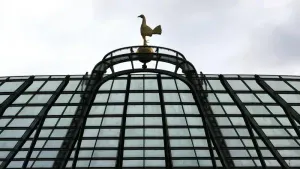
The Unthinkable Is Now Possible... Tottenham Hotspur are in a relegation battle. This isn't hyperbole. It is a genuine mathematical possibility.
A 2019 Champions League finalist. A club with a £1.2 billion stadium. State-of-the-art training facilities. Global reach. A brand that says, "Big Six."
That club is 16th in the Premier League. Five points from the drop. With a squad assembled from six managerial eras. With an interim manager who has inherited chaos.
Sponsors leaving.
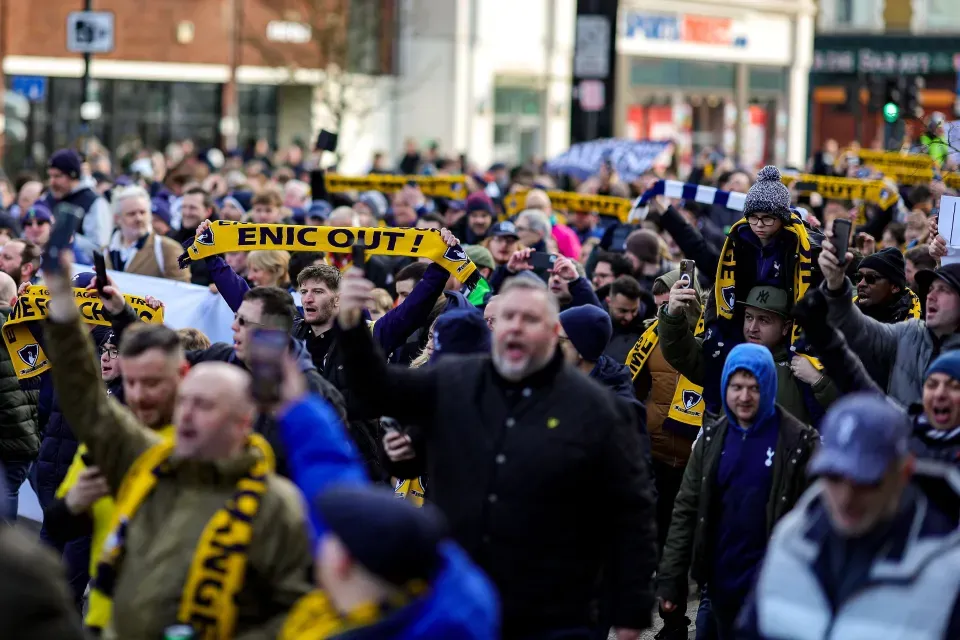
Fans protesting.
No one can answer one simple question:
What are we really building?
This isn't a football story. It's a strategy story. It's playing out in organizations everywhere.
Tottenham didn't lose its way overnight. It hasn't had a coherent way for a long time.
What looks like drift is something deeper: a strategic vacuum that has persisted for years, masked by moments of success and the most beautiful infrastructure in English football.
The stadium was supposed to be the answer. But a building isn't a strategy. It's just a place to play.
The Infrastructure Trap: A Cathedral Without a Religion
The stadium is a £1.2 billion marvel. Retractable pitch. NFL games. Beyoncé. A 365-day revenue machine. Architectural awards. Global acclaim.
The training ground is among the best in the world. Designed to develop talent, attract players, and give managers everything they need.
They built it all. On time, on budget, to the highest possible standard.
In that beautiful facility, there is a player development philosophy. Built on the club's identity: "To Dare Is to Do." Producing young players with technical skill, tactical awareness, professional habits.
Mikey Moore.
Dane Scarlett.
Alfie Dorrington.
Here's the problem: No one told the first team.
The academy's philosophy is disconnected from the first team's. Because the first team's philosophy changes every 18 months.
Jose's players don't fit Conte's system. Conte's don't fit Ange's. Ange's didn't work under Frank.
The academy keeps producing. A generation of young players called the strongest since Harry Kane was in the youth system.
The first team mostly ignores them.
That's not just incoherence. That's separation.
Two different organizations operating in the same building, unaware of each other. Connected only by a name on the door.
The stadium was supposed to be the foundation of something huge. A platform to compete with the elite. A vehicle to attract world-class players, elite managers, the best partners.
Instead, it became the achievement itself.
What's next? No one asked.
What now? No one answered.
How do we use this platform to build a dynasty? Silence.
They built a cathedral and forgot to create a religion.
The Architect Departs: Levy's Exit and the Vacuum
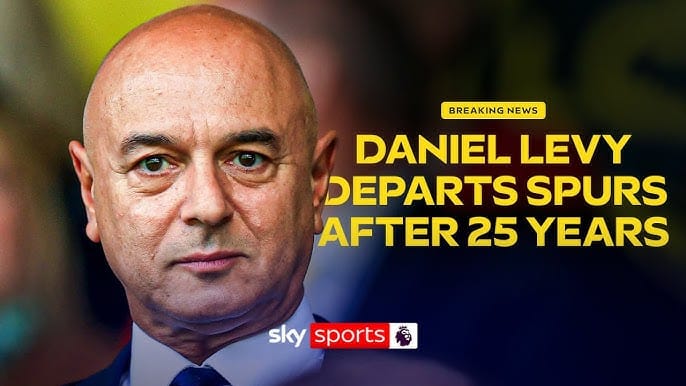
Daniel Levy was forced out in September 2025, after 25 years.
Still one of the most shocking announcements in my years supporting Spurs.
For all his unpopularity with supporters, he was the architect and guardian of the stadium, the training ground, and the club. The one voice who could explain everything.
His departure created a vacuum.
Under Levy, the club had a way of operating. You may have disagreed with it. But there was a plan. Or at least the sketches of a plan.
Now?
It feels like nothing. Just activity. Motion. Noise.
The Bill Comes Due: Sponsors Leave
High-profile sponsors are terminating their agreements...or letting them expire.
Why?
On-field performance doesn't match the "Big Six" brand companies are paying for.
There's a deeper concern:
Even if someone from the club has reached out, key partners don't feel seen or heard.
This was something that could never be said during Daniel Levy's tenure.
With or without stating it directly:
They've asked for a roadmap: none has been provided.
They've asked for leadership: none has appeared.
They've asked for vision: none exists.
The loss could be "tens of millions"...compounding the financial hit of likely missing European football.
The stadium was supposed to attract sponsors. Instead, they're leaving because they don't see the appeal of what they're being asked to sponsor.
A beautiful building doesn't fill itself. And when the team stops delivering, the brand erodes.
The Lewis Family
The Lewis family (Vivienne Lewis and Charles Lewis, children of former owner Joe) now control the club.
They've injected £100 million to show commitment.
They offered Antoine Semenyo the largest contract on the market.
They hired a naming rights expert to finally secure a naming rights partner.
They've committed to overhauling the wage structure.
They signed Conor Gallagher quickly.
They aren't absentee owners. They've put money in. They've authorized big signings. They've signalled a willingness to change.
Yet sponsors are leaving.
One major partner has notified the club that their deal will end this summer: no matter which division the club is in. The financial hit is expected to be in the "tens of millions."
Why?
No one has made them feel seen or important.
A source close to the departing sponsor said:
"There has been no explanation from the club or acknowledgment of the domestic performance concerns. Instead, their messaging was focused on the Europa League, which is not the tier of competition global sponsors expect from a so-called 'elite club.'"
The Lewis family has put in money. They've pursued top targets. They've hired commercial experts. They've acknowledged the wage problem.
But have they picked up the phone? Have they sat across from a sponsor and said, "Here's what we are building. Here's why you want to be a part of this new era"?
Silence. Misdirection.
Sponsors don't leave because of results alone. They leave because they feel neglected.
The Lewis family may be committed. They may be trying.
But trying isn't the same as connecting. In a crisis, connection is the thing that keeps people on your side.
Vinai Alone
Vinai Venkatesham came to Tottenham...from Arsenal.
Odd to many, I know.
It shocked even people at the Emirates, where he was seen as a "corporate executive"...not a football leader.
He inherited chaos:
Football department in flux. A squad assembled under six permanent managers. A fanbase sceptical of the club. Sponsors already restless.
The instinct to take action is understandable: do something.
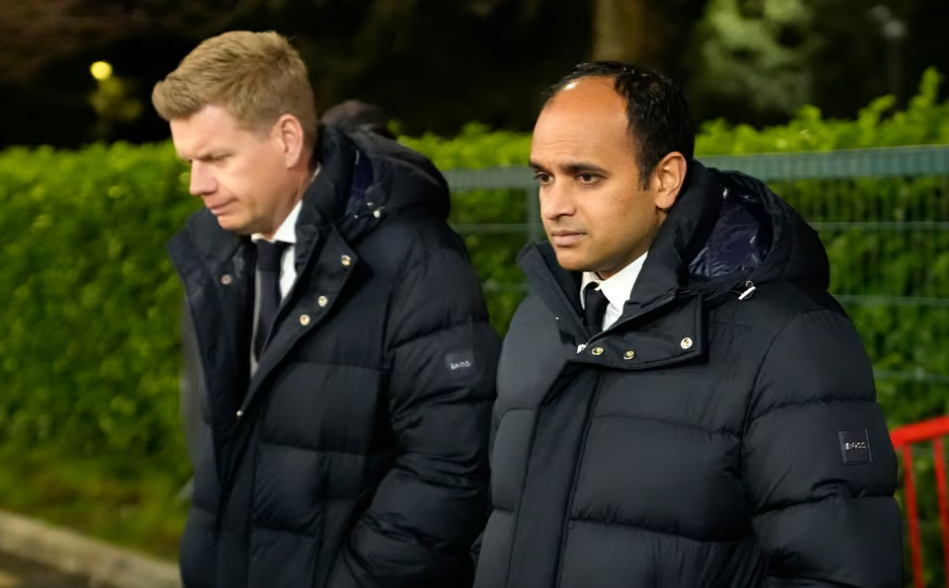
And he did. A lot.
• A new manager.
• A new technical setup.
• New communications protocols.
• A new supporter board.
• Seven strategic priorities.
Activity all around. Motion in every direction.
The problem: you can do too much too quickly. You don't fix an organization. You overwhelm it.
Every change feels like progress in isolation. Together, they create noise and more chaos.
Supporters aren't sure what success really looks like. Sponsors don't see how the pieces fit. Staff are uncertain, pulled in different directions. None of the changes feel connected to a central idea.
Why?
Because no one has said what the central idea is.
Vinai isn't struggling because he's incompetent.
He's struggling because he's overwhelmed, trying to build a house without a blueprint.
He's laying bricks everywhere, hoping they'll form something recognizable.
But a house isn't just bricks. It's a design.
Right now, no one at Tottenham can seem to describe the design.
Six Eras, No Coherence
A pattern: Pochettino, Jose, Nuno, Conte, Ange, Frank...and now Tudor.
(We'll leave out Ryan Mason and Christian Stellini. They are symptoms, not causes.)
The pattern didn't begin with Jose. It began when the club let the last coherent thing go.
Pochettino built something. A team with identity. A connection with fans. A project that was real.
Then they sacked him. Ever since, the club has been searching for something that looks like what they had…without understanding why they had it in the first place.
Pochettino is the before picture. Everything after is the after.
Each manager was hired for different reasons. Each promised something different. Each brought players who fit their system. And each left behind players who don't fit the next guy.
The result is a squad assembled from six philosophies:
Players signed for counter-attacking football are now expected to play possession. Creative players stuck in defensive systems. Defensive players asked to build from the back.
Take Mathys Tel. A 19-year-old forward who'd become Bayern Munich's youngest-ever goal scorer. Ange Postecoglou was the reason he chose Tottenham:
"He'll be a Tottenham player, mate. I didn't bring him here for six months. I think the way we play would suit him...more importantly, what we are building beyond."
Tel agreed to a six-year contract. He helped win the Europa League. Then the club made his move permanent...the same week they hired Thomas Frank.
Frank never asked for him. Didn't want him. Had no plan. By January, Tel was an afterthought. Left out of the Champions League squad. Ignored.
Ange saw the future. The club saw a pawn.
Conor Gallagher tells the same story. Signed for Ange after years of pursuit. Delivered to Frank. Now playing for Tudor. A £35 million midfielder with no philosophical home.
This isn't bad luck. It's what happens when you hire a name instead of a philosophy. When you chase the manager du jour instead of building a system that outlasts any individual.
The Nuno example says it all: Hired, fired, barely remembered. A placeholder between eras. A symbol of a club that didn't know what it wanted, so it grabbed whatever was available.
Six eras. Zero coherence. And a squad that is less than the sum of its parts. Because the parts were never designed to work together.
Ange: Success Despite the System
When Ange Postecoglou arrived at Tottenham in July 2023, the reaction was predictable:
"Who's this guy from Scotland and Japan?"
The usual dismissal from those who hadn't bothered to check.
What they missed was a career that destroyed the "unproven" label years ago:
At 31, back-to-back titles with South Melbourne. At Brisbane Roar, he built "Roarcelona": a 36-game unbeaten run, consecutive championships, football so beautiful it earned the nickname. He managed Australia at the 2014 World Cup. He won the 2015 Asian Cup on home soil, a continental trophy with a national team. He took Yokohama F. Marinos to their first J-League title in 15 years. At Celtic, five trophies in two seasons, a domestic treble, 114 league goals.
Everywhere he went, the pattern held: year two, trophies.
When sceptics questioned his pedigree, he had a ready answer:
"I have coached at a World Cup. I have coached against some of the best teams in the world."
He wasn't boasting. He was stating a fact.
What He Walked Into
When Ange arrived, he didn't inherit a football club. He inherited a construction site.
Harry Kane was leaving. The club's all-time leading scorer. 278 goals. "One of Our Own." Gone.
No director of football. Fabio Paratici had resigned. The technical director role sat empty for months.
The same mismatched squad from five eras: Pochettino's project, Jose's pragmatists, Nuno's forgotten men, Conte's system players. A bloated squad of misfits. Players returning from loans everywhere: Ndombele, Lo Celso, Reguilon, Gil, Rodon, Spence. Players told they had no future, suddenly standing in front of a new manager.
No European football for the first time since 2009-10. Less revenue. Less attraction. A squad used to European nights, suddenly with nothing but the league.
A losing culture. A club that had finished eighth. That had endured Conte's rant, Stellini's failure, Mason's second caretaker stint. Fans were "waiting for the season to end" before Ange even arrived.
The First Season
What Ange did with that mess was remarkable.
Tottenham went unbeaten in their opening 10 matches. They went into November sitting top of the Premier League. The football was electric. High line. Pressing. Possession with purpose. Players who'd looked broken: Porro, Bissouma…reborn. Van de Ven looked like the signing of the season. Udogie, a 21-year-old full-back, became a fixture. Maddison pulled strings like a man who'd played for Ange his whole life.
"Angeball" was real. And Spurs fans, starved of identity since Pochettino, had something to believe in again.
Then came November 6. Chelsea at home. A game so chaotic it felt like the universe was testing Ange's philosophy to destruction.
Two players sent off. Nine men. A 4-1 loss. But they kept playing: still pressing, still pushing up, still refusing to abandon the plan.
That night became a symbol of everything that followed. Brave. Committed. Doomed.
The injuries piled up. Van de Ven missed three months. Maddison followed. From that point on, Spurs were brilliant one week, baffling the next.
They finished fifth. European football secured. A platform to build on.
Fans recognized it:
"After losing Kane, Lloris and Dier, with a squad not suited to his philosophy, with injuries to key players...finishing fifth is something I would have taken at the start."
Ange later explained: his first season was about "taking stock, assessing the whole squad intensely." He used that year to understand what needed to change.
He delivered fifth place and European football while doing that assessment.
A Sliding Doors Moment
As the first season ended, Ange was clear about what the squad needed: experience. Mature players who could handle the rigor of multiple competitions. Players who'd been there before. Leaders who could steady the ship when the injuries piled up again.
He asked for reinforcements. For proven quality. For players ready to contribute immediately.
What he got was teenagers.
Archie Gray. Lucas Bergvall. Wilson Odobert. Yang Min-hyeok. All 18 or 19. All promising. All unproven. All untested over a full, packed Premier League schedule.
By December 2024, the problem was obvious. Gray and Bergvall had played a combined 164 minutes in the league. They weren't ready. And Ange, fighting on four fronts with a squad stretched to breaking, had no one else to turn to.
He said it himself in December 2024:
"Moving forward, we probably need to err on the side of getting a little bit more experience, just to help the group, because we've got very few at that kind of sweet spot in terms of ages".
He was asking for help. The club gave him projects.
The Second Season
September 15, 2024. Tottenham had just lost 1-0 at home to Arsenal. Four games in, one win. Pressure building.
After the match, a reporter asked Ange about a throwaway line from pre-season, where he'd hinted that he "usually" wins trophies in his second year.
He didn't deflect:
"I'll correct myself—I don't usually win things. I always win things in my second year. Nothing's changed."
Then he doubled down:
"I've said it now. I don't say things unless I believe them."
The room went quiet.
But here's what the headlines missed: Ange wasn't boasting. He was drawing a line.
A day later, he explained:
"I failed last year in my head because that's how I'm geared...that's been my whole career, that's my foundation."
Fifth place, Europa League qualification, a transformed squad: by any external measure, season one was a success. But Ange measured himself differently. He came to win. And he hadn't won anything yet.
"I'm happy to be judged against that standard because that's my standard...I don't want to dilute that."
What Followed
The season unfolded in two halves.
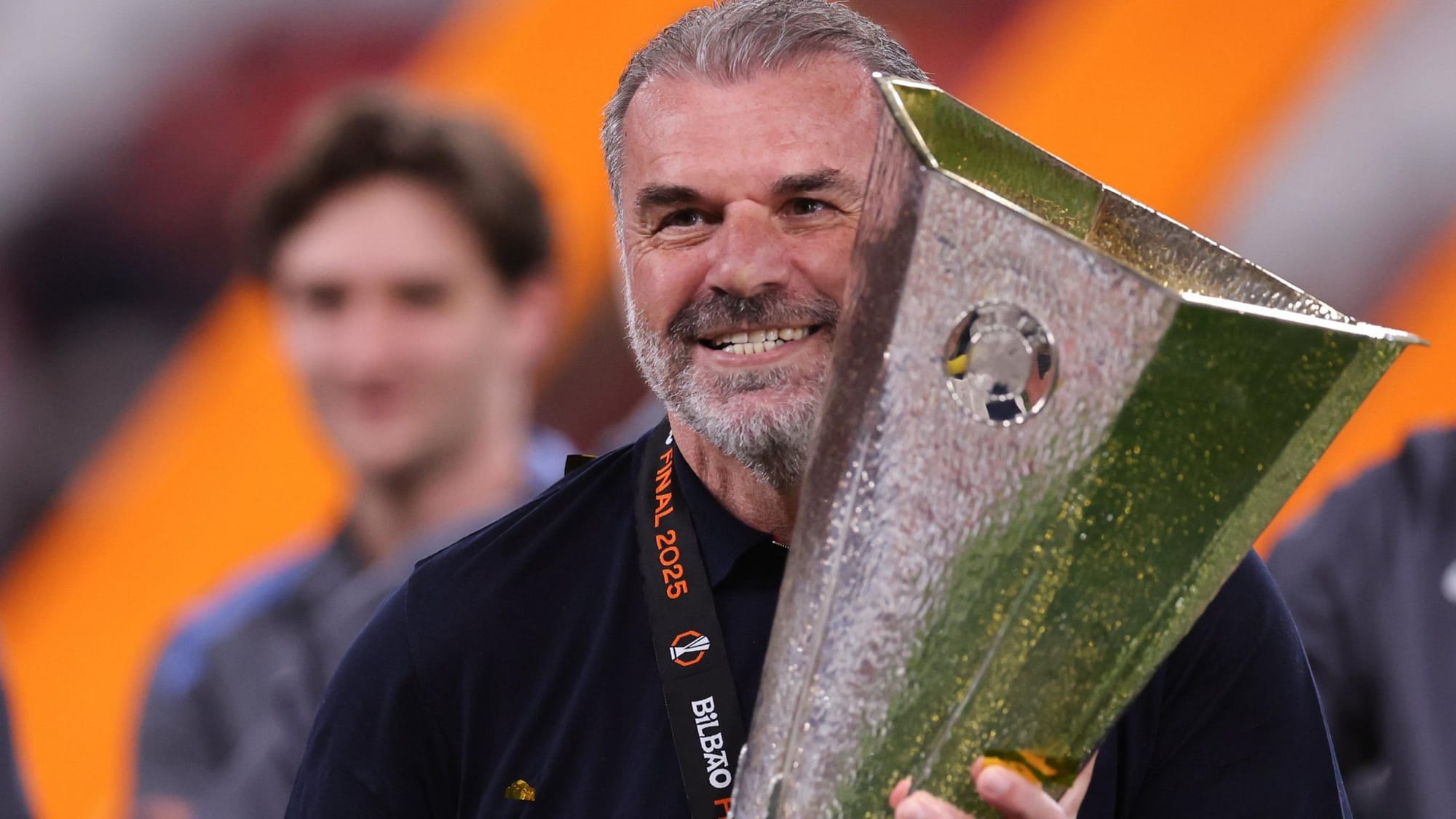
In Europe, Ange delivered. Tottenham won the Europa League in May 2025, beating Manchester United in the final. The club's first trophy in 17 years. Their first European silverware in 41. Ange, emotional among the supporters, had kept his promise.
In the Premier League, it was a different story: 17th place. Their worst campaign in the Premier League era. Forty-five points behind Liverpool. Twenty-two defeats.
The squad was ravaged by injuries all season. The same paper-thin squad from year one hadn't been reinforced. The January window came and went without the players he needed.
By April, with Spurs 15th, the speculation was relentless. Ange knew his fate rested on the Europa League.
The Isolation
This is the part the record books don't show.
Throughout that second season, as Ange fought on two fronts, he was increasingly isolated within the club. Not part of strategic planning. Not integrated into transfer discussions. The same technical directors who'd signed players for him were already planning for his successor.
He kept going anyway. Gave the players something to fight for. Gave the fans a memory.
Then, weeks after lifting the trophy in Bilbao, they sacked him.
Ange kept his word. The club never kept theirs.
The Frank Error
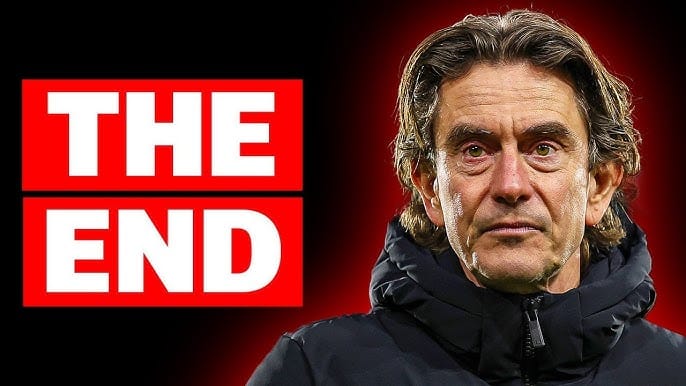
Within months of Frank's appointment, people inside the club had questions.
Not from the outside. Not from fans. From inside.
The data wasn't there. The training ground wasn't clicking. The players who'd thrived under Ange looked lost. New signings weren't fitting.
People noticed.
They asked questions. Privately. Carefully. The kind of questions that, in a functional organization, would trigger a conversation. A review. A course correction.
Nothing happened.
By November, the table told the story. By December, it was undeniable. By January, Frank had won two league matches in four months.
Two wins. In four months.
That's not a slump. That's not bad luck. That's a manager out of his depth.
Inside the club, the questions got louder. More urgent. More pointed.
Still, nothing.
Mohammed Kudus arrived as a Frank signing. A player who fit the system. Creative. Unpredictable. Dangerous.
For a while, it worked. Then it didn't.
Not because Kudus stopped being talented. Because the system stopped being coherent. When everything around you is chaos, even the right players look wrong.
Joao Palhinha actually fit Frank's football. Him and Pedro Porro. When Frank was sacked, they were the only two who seemed to care.
That's not nothing. Two players believed. But two players don't make a squad.
January arrived. The club needed reinforcements. Frank needed help.
Instead, they signed Conor Gallagher...an Ange player, not a Frank player. Signed Souza, a teenager for the future. Did nothing else.
And through it all, Frank kept losing. Two wins in 17. Zero in 2026. The Newcastle defeat on February 10: a 2-1 home loss that left the club 16th, five points above relegation…finally enough.
The next morning, he was gone.
They knew in October.
They watched November. They waited through December. They let January slip by. They did nothing while Frank sleepwalked through a transfer window, while the squad drifted further from coherence, while relegation became a real threat.
This isn't a failure of hiring. It's a failure of decision-making.
When you know something isn't working, and you do nothing, you're not hoping for improvement. You're hoping the problem will solve itself.
It never does.
Enter Igor Tudor
By the time Thomas Frank was finally put out of his misery in February 2026, Tottenham had spent months sleepwalking through a transfer window and watching their Premier League status slip away.
Two wins in 17. Zero in 2026. The Premier League, suddenly hanging by a thread.
Enter Igor Tudor.
Tudor's mandate is different from every manager before him.
He isn't being asked to develop young players. He doesn't have to worry about a long-term plan.
His job is to rescue Tottenham from relegation.
That's it.
Twelve matches. Four months. Stay up. He's a fixer.
This changes how we judge him.
He's a firefighter. Running into a burning building. Just trying to put out the flames.
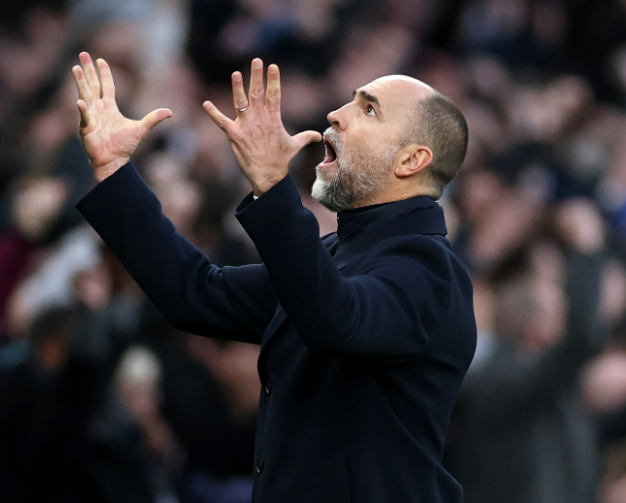
Consider what he has to work with because this is the core of the strategic problem.
There are players Ange brought in: Tel, Van de Ven, Vicario. All signed for high-pressing, possession-dominant systems. Play on the front foot. Control games. Take risks.
There are Frank's signings: Simons, Kudus, Palhinha. All signed when the system was meant to be structured, progressive, patient...control over chaos.
There are even players from Conte's era: Porro, signed for a wing-back system that by luck resembles Tudor's.
Scattered among them are remnants of Jose's pragmatist era, Nuno's forgotten reign, and academy products who only know constant change.
Six managers. Six philosophies. One squad.
Tudor inherited a Frankenstein's monster of a squad. Assembled by committee. With no answer to the question: "What are we building?"
Tudor isn't building. He's patching.
He's trying to hold this squad together. He's not asking if Tel is the long-term solution. He's asking if Tel can help him beat Fulham on the weekend.
He isn't worried about Gallagher fitting into a coherent strategy. He just needs him to put in a shift.
The squad needs bandages and gauze. Tudor is a field medic.
His first match said everything: a 1-4 loss to Arsenal. 12 players unavailable. A team in collapse.
All he could do was hold it together.
"This team is full of problems. We need to work hard and be humble."
He's right. The team is full of problems. None of them he created. All of them his responsibility.
Lange's Non-Explanation
Sporting director Johan Lange faced the media on February 20.
Why no January signings beyond Gallagher and Souza?
"Very few players who could make a difference for us now or in the future was available. To bring in players that cannot help us now or we don't believe have potential for the future...doesn't make sense."
Why Tudor?
"We interviewed a few candidates. Igor impressed us very, very much in the interview."
And then the line that says everything:
"Of course if things go well, he could be here for a long time."
A long time.
An interim manager. Twelve games left. Fighting relegation. No Premier League experience. Inheriting a squad built for several other men. Asked to patch it together with bandages and gauze.
Could be here for a long time?
That's not a plan. That's not a vision for the future.
That’s insanity dressed up as strategy.
The Three Mirages
Before we talk about what strategy requires, let's name the illusions that got us here.
The Money Mirage:
What was promised: The stadium would guarantee elite status. A £1.2 billion fortress. Huge matchday revenue. Commercial partnerships. A home that would attract world-class players and fund sustained sporting success.
What was delivered: A beautiful building with nothing inside. Sponsors leaving because the team isn't delivering. Fixed costs that demand results the squad can't produce. A weight now…not a foundation.
The Connection Mirage:
What was promised: Fans will always show up. Sponsors will be loyal. Players will believe. Relationships take care of themselves.
What was delivered: Protests. Exits. Rants. Noise. A supporter board publishing minutes the club wanted to hide. A fanbase that doesn't trust anything. Sponsors who feel unseen and unheard. Players looking to leave.
The Identity Mirage:
What was promised: "We are a Big Six club."
What was delivered: A club that doesn't know who it is. A team that "competes" on all fronts? A team that is "data-led"? A community pillar? Yes to all of that…which means nothing.
Again, what are we building?
What Strategy Requires: CFA
Tottenham's problem isn't a lack of data or information. It's a lack of:
Choice
The club hasn't chosen what its building.
· Paratici: a choice without conviction. A name, not a fit.
· Thomas Frank: a choice without clarity. A checklist, not a vision.
· Lange's interview: a choice without content. Words, just words.
· Pochettino rumors: turn back time and hope for the best?
· The stadium and infrastructure: build it. Then what?
Choice means saying: This is who we are. This is what we are not. This is where we're going.
Focus
The club is doing a lot. But achieving little.
Seven strategic priorities is zero strategic priorities. Two technical directors couldn't co-exist. A squad built over multiple eras. A manager isolated within the club.
Focus means saying no. Tottenham says yes too often…meaning that every yes means nothing at all.
Action
Not activity. Not motion. Not change for change's sake.
Action is where choice and focus meet. When you know where you're going, every move matters.
Tottenham has been busy. Managers. Signings. New executives. Press releases. Letters to supporters.
They are exhausting themselves with activity.
But without choice and focus…it's just activity. Not progress.
The Question That Matters
The stadium will be there next season. Beautiful. Functional. A marvel of planning and engineering. A cathedral to all that Tottenham could be.
The training ground will still be state-of-the-art. Empty of purpose and full of players with potential unless something changes.
The question is whether anyone will want to be there.
Not because Tottenham doesn't have fans. They do. Millions of them around the world.
Fans don't show up for buildings. They don't show up for balance sheets.
Business results.
"Strategic Priorities."
Data-led checklists.
Fans don't show up for that.
They show up to feel something. To believe something.
The greatest gift that Mauricio Pochettino and Ange Postecoglou gave Spurs fans was belief.
Tottenham lost that. Threw it away.
Not because of one bad decision. Not because they wanted to teach supporters a lesson.
Because they never made a clear decision to become something.
So, they drifted.
The stadium was supposed to be the answer. But a building isn't a strategy.
Conte. Jose. Frank. Ange. Each one the next miracle manager. There aren't any miracles.
There is only the answer to the question: What are we building?
Then, backing that answer up with action. Consistent and repeated action.
Lessons For Leaders
Tottenham isn't alone.
They are unique only because I support them.
This story is playing out in organizations around the world.
• Infrastructure isn't identity: Buildings, budgets, and initiatives don't tell you who you are. They are just tools to get you where you want to go.
• Loyalty isn't infinite: It is earned. It is maintained. But it can be lost. Fast.
• Data looks back. Strategy looks forward: Don't get confused. Data can inform, but it can't create. Strategy requires bravery, commitment, and a point of view.
• Nostalgia isn't a plan: "Shut up and play the hits" is fun. But don't mistake that for building a brighter future.
• Choice. Focus. Action: Without these, you don't have strategy. You're just reacting. Reaction isn't a sustainable business model.
Organizations that survive and thrive in all kinds of environments can answer the core questions:
• What are we building?
• Who is it for?
• Why does it matter?
• What does success really look like?
Tottenham can't answer that today.
We must wonder if they ever will.
Dave Wakeman helps leaders turn strategy into profit and customers into relationships. If your organization is drifting, let's talk. You can find him at www.DaveWakeman.com and email him at Dave@DaveWakeman.com